Category Archives: Uncategorized

Autumn is here, ….and so is your thesis ☺️

It is officially harvest time. Thanks to Hunter for kicking off the our thesis presentation series! It is hard to give this “a go” in the early stages of development, but I think Hunter set the tone effectively by sharing his approach and the overall frame of his work. I think he has effectively “left space” for what emerges between his planned autoethnographic writings, and his eventual interpretation or analysis of those vignettes or anecdotes of his own writing experience as both student and tutor. The arc of the work – from reluctant student to confident writer with a job as a writing tutor at the University’s Writing Center – is a perfect lens for this project. I am sure it will be a unique and thoughtful contribution to the overall sub-field of Writing Studies and more specifically, the question of institutional support for reluctant and developing writers.

I am glad we are now officially in “thesis-in-progress season” (i.e. the Presentation Series) with a glimpse into each of your ongoing work and a focus on your process. Up next, a glimpse into Michael’s work! I am looking forward to hearing more, and I think we will all see how much progress he has made. I look forward to the conversation we will all have based on his presentation.

This coming week also mark National Day on Writing, so in lieu of a our usual check in we can add some reflections on writing to our KUWP Public Art display, which celebrates our unique writing community.

Autumn hues…

A word about organization…

Organizing all of your materials over time is a key aspect of success in the MA thesis process. By now, each of you has probably devised your own version of how to organize all your work as it unfolds.

Some tools for organizational success:

Think of your Microsoft folders as a little home for your thesis—a place where all your ideas, discoveries, questions, and drafts can find a place to live as your project grows. Create separate folders for your literature review, research notes, methodology, data, chapter drafts, and references. Use Word documents to capture reading notes, exciting new ideas, emerging research questions, and reflections along the way. Give files clear, consistent names and date your drafts so you can trace how your thinking develops (and find that brilliant idea you had three weeks ago!). A little organizational care now can make a world of difference later, helping you discover unexpected connections, nurture your ideas, and make the thesis journey feel less overwhelming and much more like an adventure.

Think of tools like Zotero or EndNote as your personal research assistants, helping you collect articles, organize sources, save notes, and keep track of citations without having to remember every little detail. Pair one of these tools with a literature review matrix in Excel or Word, where you record each source’s main ideas, theoretical frameworks, methods, findings, and connections to your research. As your collection grows, this matrix becomes a map of your scholarly journey, helping you spot patterns, discover gaps, connect ideas across authors, and identify where your own voice and contribution might fit into the conversation.

“Scrivener“. It is really a tool to consider for those of you who are writing fiction. “Tailor-made for long writing projects, Scrivener banishes page fright by allowing you to compose your text in any order, in sections as large or small as you like. ” I also mentioned that many of you will devise your own organization systems, perhaps all in google tools. There is also the tool called “Miro” that I have used for certain writing projects. Their tagline: “Build, iterate, and design faster with Miro — the visual workspace for innovation.” Or perhaps you want to organize all your work in the google suite – with docs, folder, forms, etc.?

Please be conscious that your organization system for your MA thesis is a key aspect of working effectively overall. There are so many tools that might come in handy depending on the nature of the project. Perhaps we can share a few of our favorites in the blogs this week.

Presentation Series

Hunter will kick off our Thesis Presentation Series with a glimpse into his thesis work in progress. To prepare for you thesis presentation, please remember the suggested Thesis Presentation Guidelines.

For next week

For your weekly progress report blog (due 10/12 please highlight any major progress. Include thoughts on organizational methods you are employing that might be useful to peers. Please be prepared to offer thoughtful feedback to Hunter on his work (put on your best peer editor hat) and we will use the remaining class time for a peer feedback protocol. Plan to work with a couple of classmates on something pertaining to your thesis development.

Building Positive Habits

I am glad we spent sometime last week thinking about what you might all need moving forward for this semester of thesis class. I also think building in some in-class writing time, along with feedback mechanisms (whether by peer support groups or short conferencing opportunities) will support building the right habits. Discussion or tips for how to deal with time management challenges (and motivation challenges) will be ongoing. And I will keep this in mind in thinking about how to design our time together each week.

It is so important to be mindful along the way regarding your own process, and notice when you are practicing avoidance (procrastination). Procrastination is often misunderstood. Said simply, procrastination is an anxiety response, so it important to take notice of this, and try to employ strategies to take small achievable steps in lieu of thinking about the weight of the big picture. Procrastination is a problematic “anxiety-management habit” rather than a time-management problem. When a task feels uncertain, overwhelming, or connected to fear of failure, avoiding it gives one a momentary sense of relief. But unfortunately, that relief reinforces the avoidance. So, make the tasks smaller. Start before you feel ready. Lower the stakes. And just keep going. Slow and steady wins the race.

Our slides

Weekly Habits for MA Thesis Writers

A thesis is built through small, consistent acts of reading, writing, thinking, and revising. You don’t have to make major progress every week, but you do need to try to keep your project moving.

WRITE

Write something every week. You never know where the writing you do ends up in terms of the final submission, but believe me, it matter to keep writing. **A paragraph, a page, notes, a messy draft, a question – anything that moves your thinking forward.

READ

Read with your thesis in mind. Take notes.
Don’t just collect sources. Ask: What does this help me see, question, or argue?

THINK

Give yourself time to think.
Keep a thesis notebook or documents file for questions, connections, discoveries, quotations, and ideas that aren’t ready to become “academic writing” yet.

TALK

Talk about your project.
Explain your ideas to a classmate, writing group, or advisor. Thesis class is designed for exactly this kind of work. Talking often helps you discover what you actually think.

CONNECT

This is what thesis class is for!
Share brief updates, questions, or emerging ideas. Your blogs are “your calling card” for further connection regarding your process. Don’t wait to ask for help.

SMALL STEPS

Choose small, concrete goals each week. Maybe just one small goal. One is better than none.

REFLECT

End the week by looking back. Write your blog. Ask yourself:

  • What did I accomplish?
  • What did I learn?
  • What am I still figuring out?
  • What is my next step?

A Sustainable Weekly Commitment

As a general guideline, please aim for 5-6 hours of focused thesis work each week. This might mean a few 2-hour sessions, several shorter writing blocks, or whatever rhythm works for you.

Some weeks will be more productive than others. The goal is not to clock a certain number of hours or produce a certain number of pages. The goal is to develop a sustainable practice that keeps your thinking and writing moving forward.


Keep going guys. You just need to keep moving it forward.

As a reminder, in preparing for your future MA thesis showcase for the class, here are the Thesis Presentation Guidelines.

Dr. Z

On Our Way

It was great to check in again earlier this week and get this proverbial ball rolling.

As mentioned in class, please remember the importance of the Library aka the Kean University Learning Commons in terms of resources for developing your thesis. We will connect with Craig Anderson on 11/2 for an online workshop. As always, I encourage you to try a few other workshops offered there in support of your ongoing academic work. It is always a good idea to get to know a librarian or two at Kean, while you work on your thesis and other projects overall.

Here are the agenda slides from last class:

We have already settled the presentation calendar together, and last night I referred to the concept of an Early Proposal. Please remember that by mid-October you should have your own (in-progress) Early Proposal document. This will be something you will work on continuously until the close of the semester. Between mid-October and mid- December it will transform from a “shell” early proposal into a formal thesis proposal.

I also refreshed your memory about the on-going practices that are key to your thesis work overall – some free-writing, mind mapping, and some possible reading/research. Each week, remember to generate lists, and re-engage your own process of discovery and invention, and map out your work for the week with the end goal post in mind.

Next week we will discuss the process of a developing an ongoing Lit Review, and you will continue to support each other in some peer-group conversations in our MA thesis class. You should have each settled upon your own working plan of for this coming week (remember the power of freewriting, mind mapping, and reading/research/note taking). You should now be developing a sense of your own individual benchmark goals. Please blog about that, and your actual progress over the course of this coming week. Write about you have been able to accomplish, and what is new in the process.

I will see you next week in class!

Shaping our Plans

Welcome again to “the embarkation” of your MA thesis experience this Autumn 2026. I am glad we have all finally connected again for this Fall semester of ENG 5698. It felt a bit like a “homecoming”. I missed you all. We are truly “underway” now. Moving forward, I hope you will think of “Thesis Class” as a special “accountability community” – a supportive writing group dedicated to co-learning and peer support, helping you refine your own development of a significant writing project.

As we embark on this process, we are setting the tone with weekly connection and check-in-style discussions. You will all be at different “places” during the thesis experience, of course, and each of you will bring different perspectives and concerns. Thesis time together is a unique opportunity. It is a special chance in your life to have a close community of like-minded writers working with you and alongside you, in tandem. Although your work might be different, the process you are all experiencing is shared.

***Please remember, each of you will learn a great deal from considering each other’s evolving work. The peer support approach for your thesis development will rely heavily on the feedback you offer, as well as the feedback you receive. It is critical to keep in mind the significance of both roles you play in this class – writer AND reader, author AND editor. Your own growth as a thinker and creator relies on both sides of this equation. Consider each of the roles with equal measure.

I look really look forward to “jump-starting” our collective work together next week.

For our Next Meeting

Your first introductory post: Please update us on your thesis process so far. For some of you I suggested specific “to-dos” for this first week. What have you researched thus far? What have you written? What work will you resume, and what outlines for the work ahead can you share? What overall thoughts do you have at this stage regarding your thesis?​ for those of you just at the beginning, share some early ideas about what you would have in mind, and what work you imagine is in front of you as “first steps” in the discovery & invention phase.

See you next Monday,

Dr. Zamora

Welcome to your Thesis!

On the the MA Thesis road…

Welcome to your MA Thesis group for Fall 2026! This is a special and close-knit cohort of six thesis students who will bond and grow together over the course of this autumn season. You all know each other from earlier courses, and you will all benefit from this peer support structure. Five of you will pursuing the first half of your MA thesis project, and one will be wrapping it up this semester. Think of this class as your weekly “accountability group” – a writer’s community to trust and to also contribute to. Remember how important it is to connect with each other, check in with each other, support each other. The truth is, MA thesis group is a rare gift in life – a writing community that knows you, knows your work, and who are all there to help you grow through a challenging, ever-evolving project.

A couple words of wisdom at the precipice of this Fall 2026 journey together:

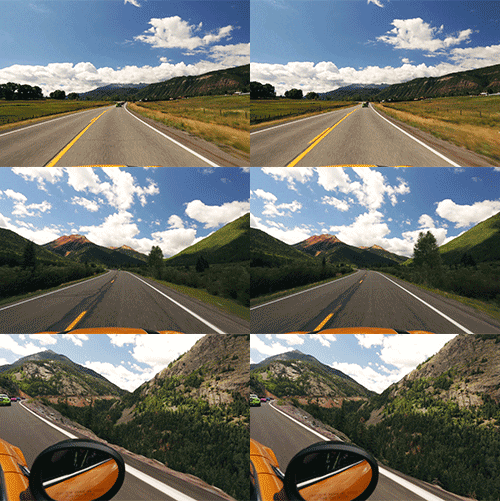
Writing a thesis is not easy. There are many twists and turns in the road, roadblocks do come up, and there are unforeseen landscapes that cannot be imagined until you cover ground and truly travel. That said, the more time you have on the road, the more of a chance you will have to discover and reflect. Keep at it. Work hard. Put in the time and gain the distance with it. In the end, I have no doubt that each of you will eventually “arrive” at a meaningful place of your own design. A place of insight and learning. A place where perhaps the outcomes were not the ones you originally anticipated.

I encourage each of you to follow a course for which you feel a spark of commitment and passion. I also encourage you to take risks in pursuing forms of learning that matter to you personally. In my own experience, this is the place from which transformation that matters is born. And I will be there to guide all of you through each step along the way.

Sincerely,

Dr. Zamora